01
Energy
Pipeline (mainline and distribution), hydro-electric, wind, solar, and LNG site preparation.
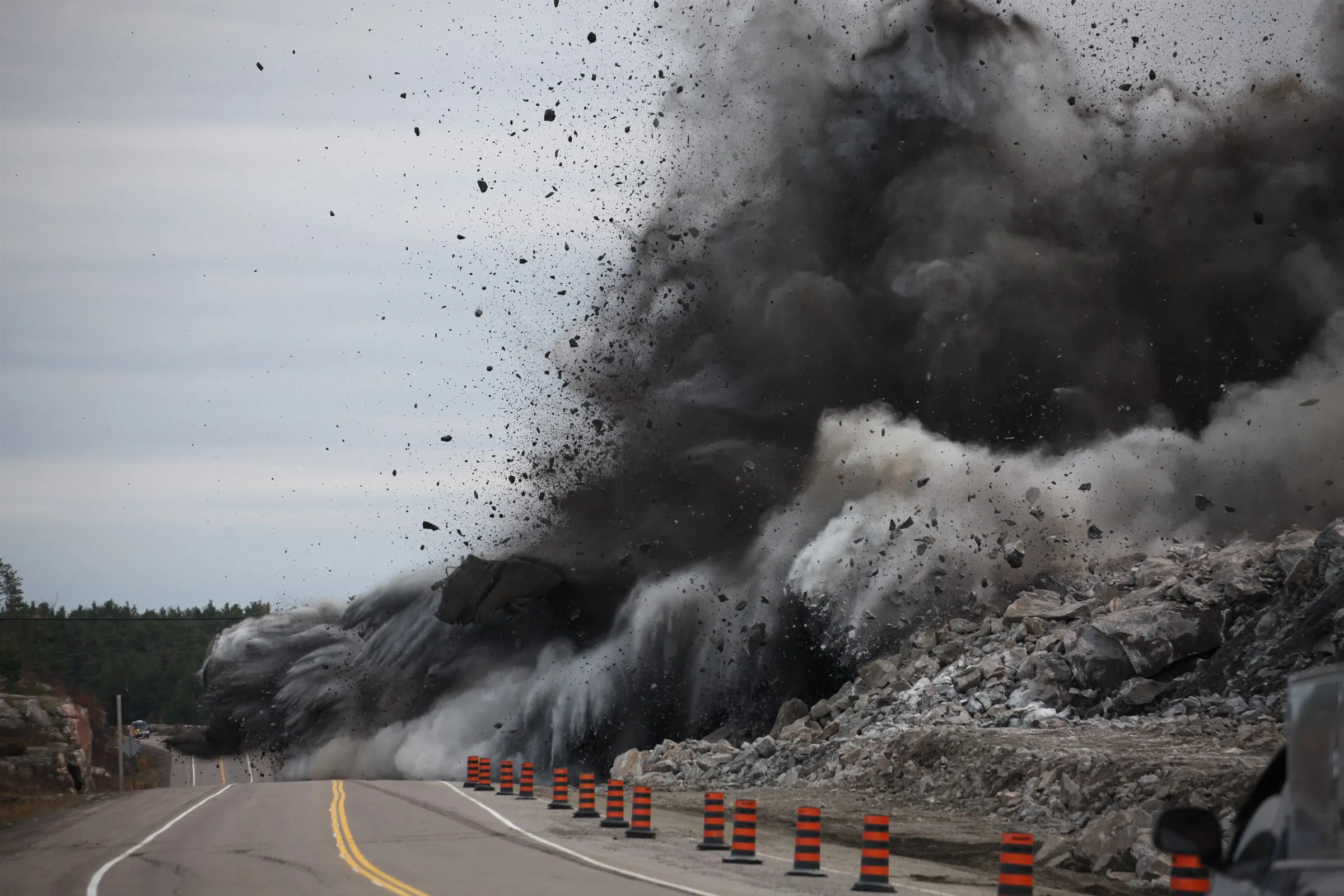
Energy | Heavy Civil | Quarry
Construction
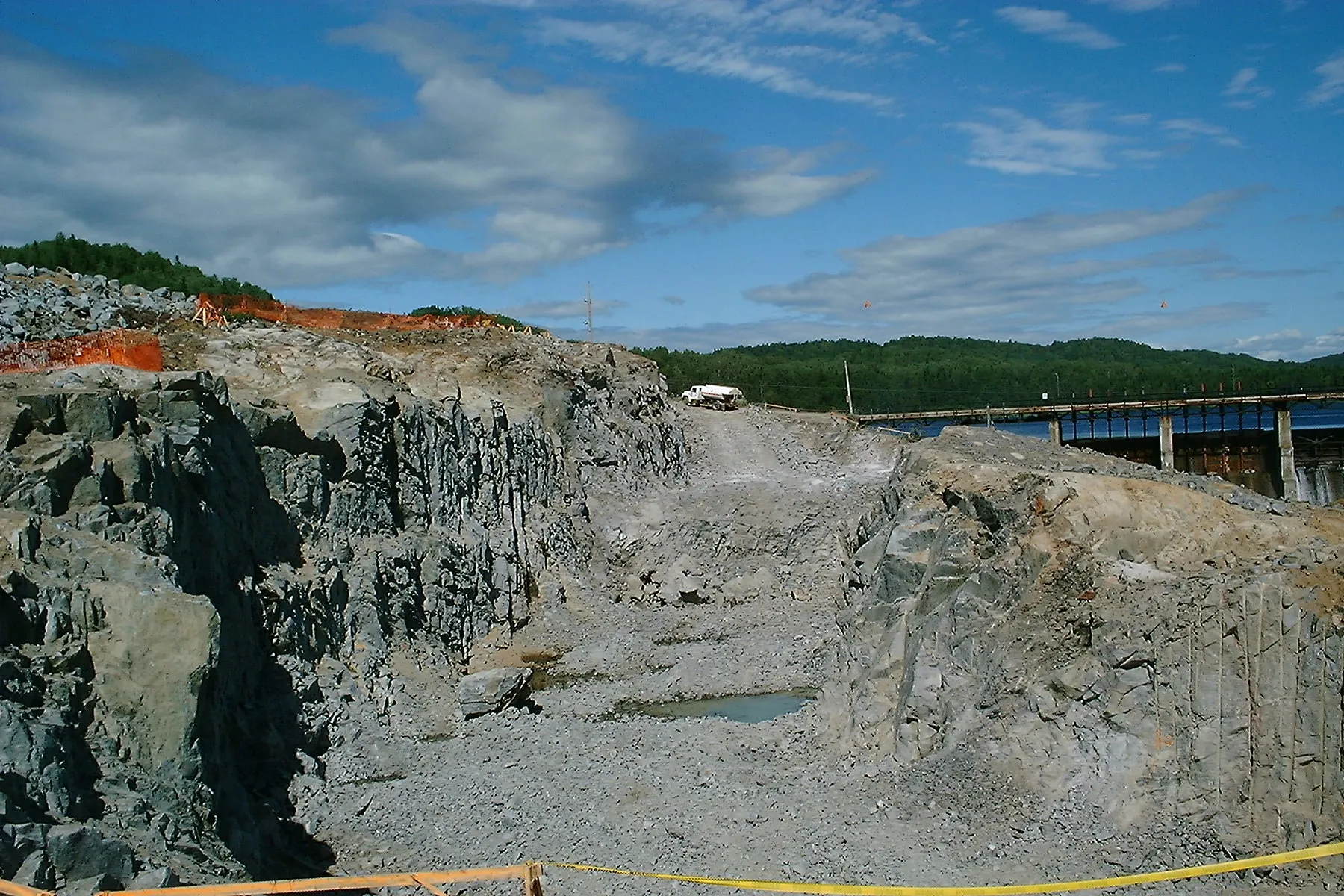
On energy projects we drill and blast for pipelines (mainline and distribution), hydro-electric dams, wind and solar farms, and LNG site preparation.
For public and private owners we also do road and site preparation, limestone and granite quarrying, tunnelling, bridge and dam piers, test drilling, and grout holes in rock or concrete. Rock anchors, grouting and shoring are on the Ground Support page.
Get in touchSectors
01
Pipeline (mainline and distribution), hydro-electric, wind, solar, and LNG site preparation.
02
Road and site preparation, tunnelling, bridge and dam piers, test drilling and grout holes for rock or concrete structures.
03
Limestone and granite quarrying for private and public sector projects.
Highways
Twinning a highway means blasting next to the lanes that stay open: traffic held for each shot, rock kept off the pavement, and vibration held to the provincial limit at the nearest structure.
Highways
Chester, Nova Scotia
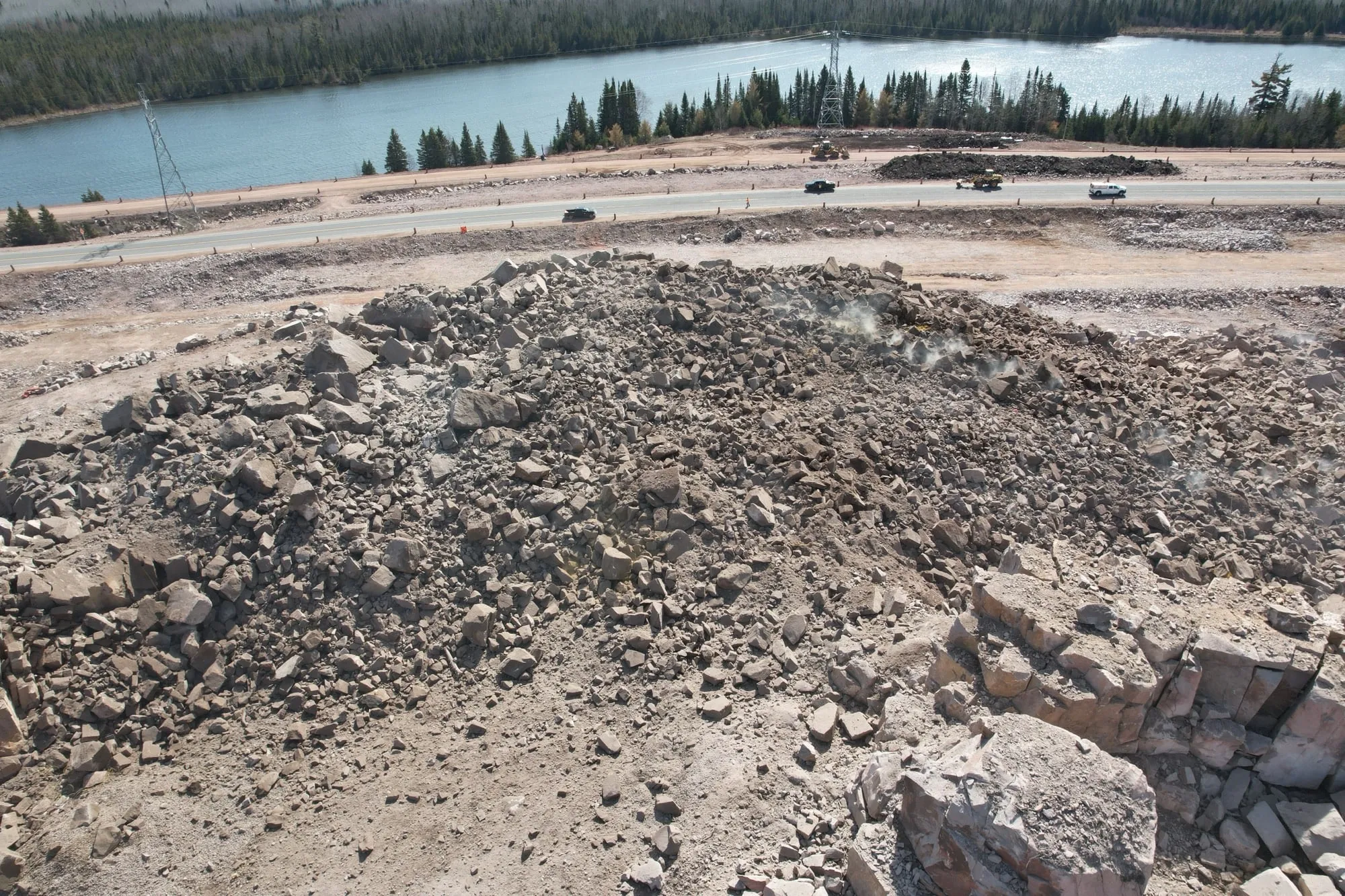
Mass rock excavation for the twinning of Highway 103 at Chester — 216 blasts since September 2025, loaded with bulk emulsion, beside an open highway and under a 12.5 mm/s limit at the nearest structure.
View project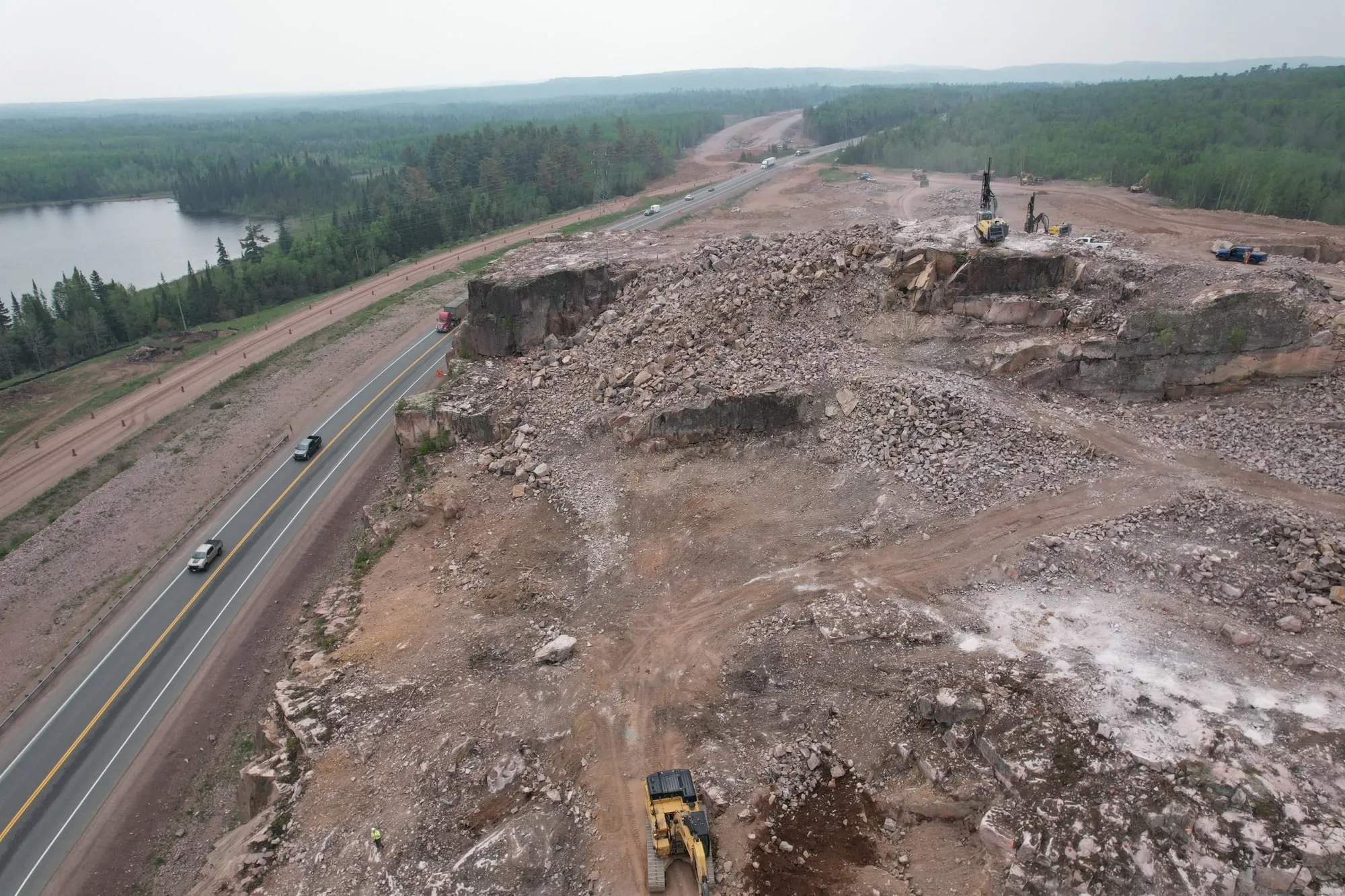
Highways
Thunder Bay to Nipigon, Ontario
Drill and blast across five contracts on the twinning of the Trans-Canada Highway between Thunder Bay and Nipigon — cutting rock for new lanes with traffic running alongside.
View projectBulk Emulsion
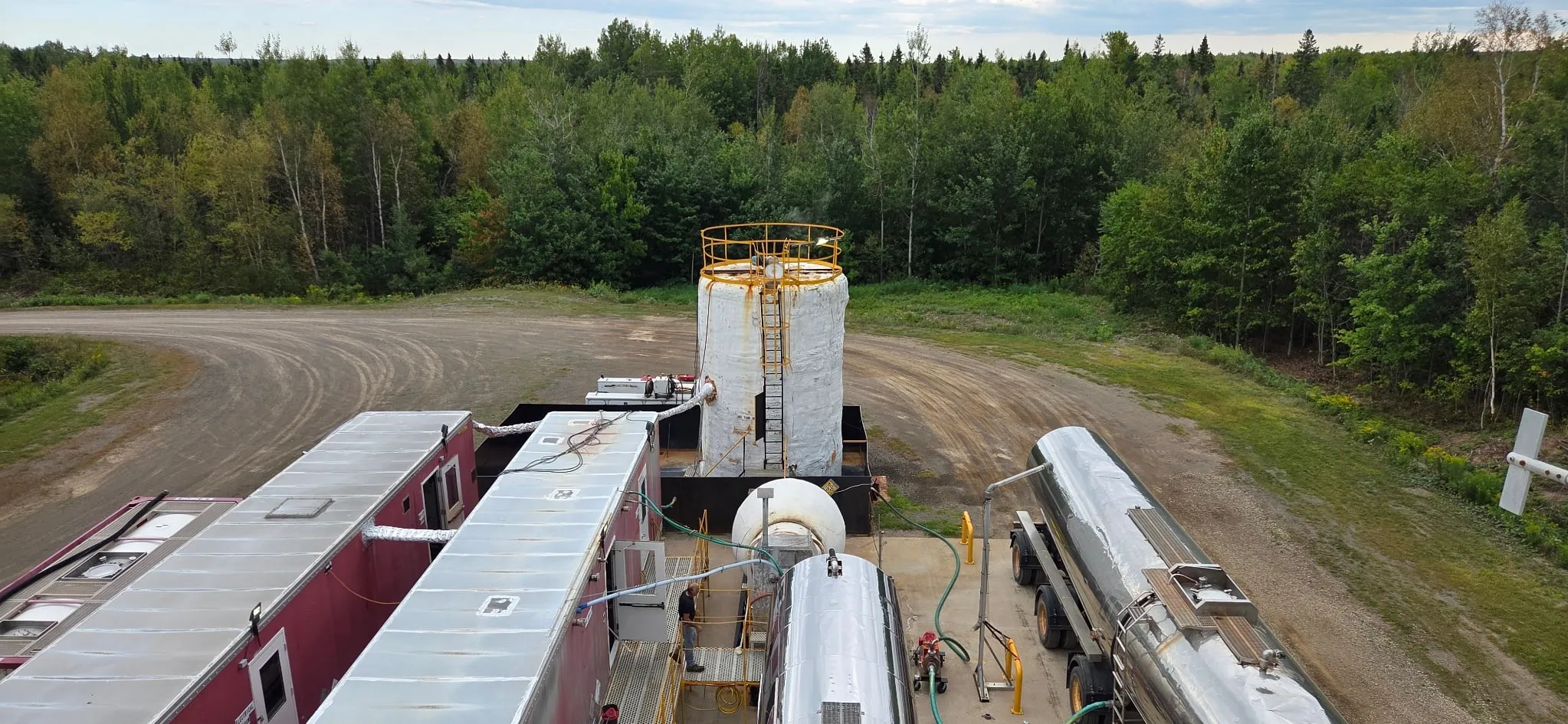
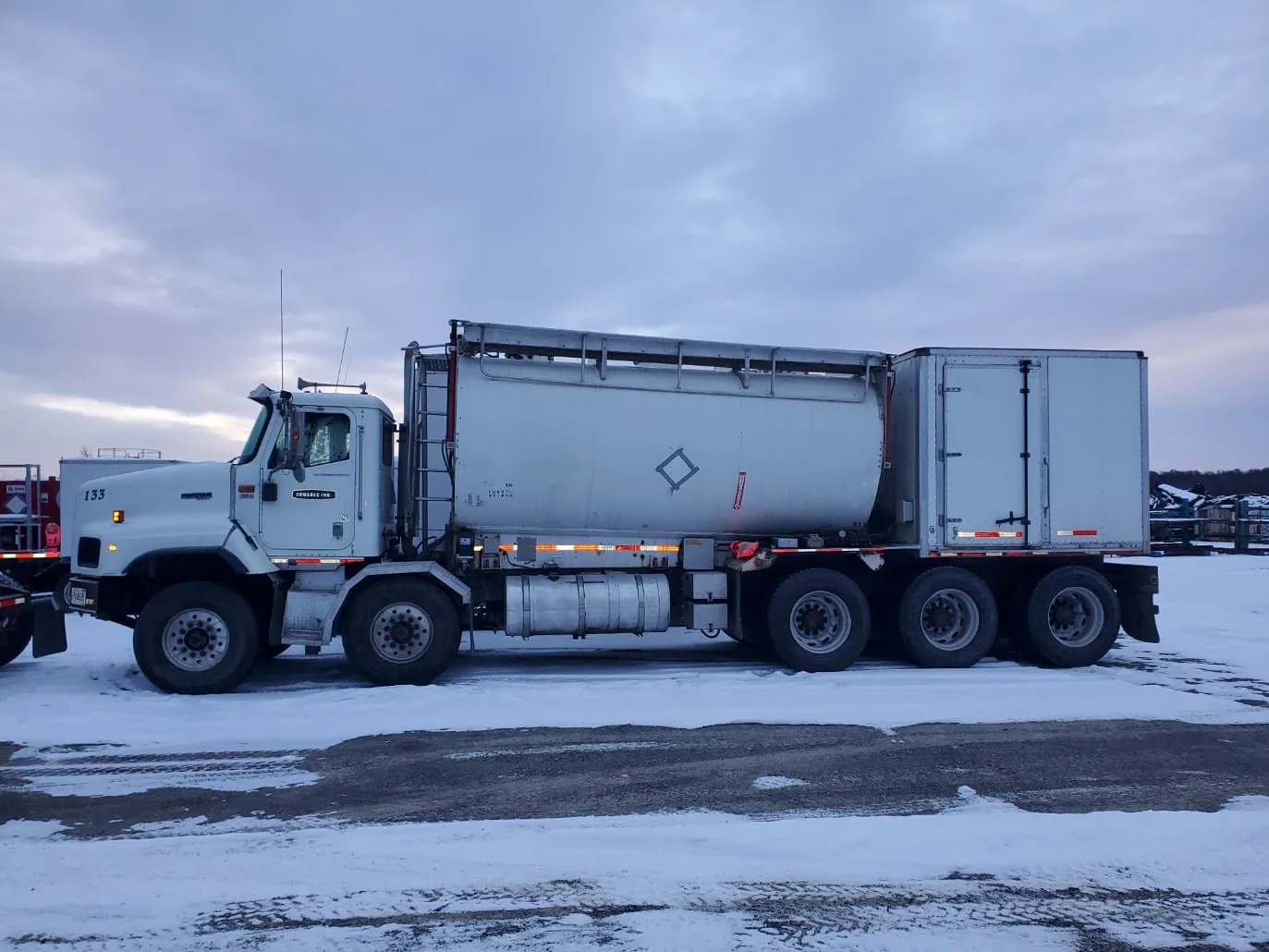
Most construction specifications are written around hand-loaded cartridge explosives. We bring bulk emulsion to the job instead — made in our own plants and pumped straight into the hole by mini pumpers operating under approvals from the Explosives Regulatory Division of Natural Resources Canada.
It is the same product and the same metered loading we use on mine sites, applied to highways, dam spillways and work beside occupied structures.
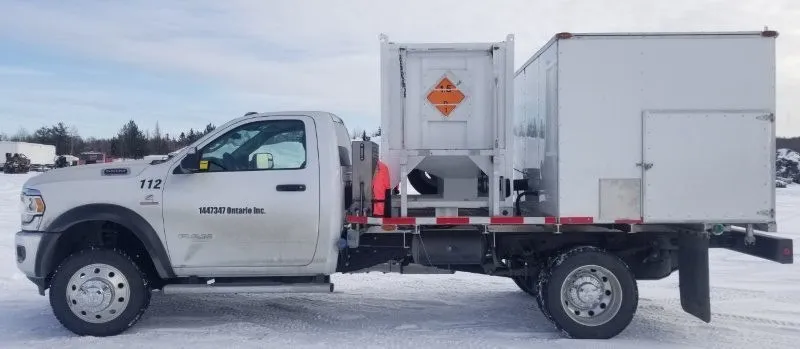
The pumper meters emulsion through calibrated flow systems, hole by hole, so the charge per delay is what the design says it is.
Pumped emulsion fills the borehole. No air gaps between cartridges means less scatter in energy from hole to hole — and steadier vibration next to dams, highways and buildings.
Excellent water resistance for wet holes and variable ground, with fewer misfires and none of the packaging waste of cartridge product.
Pumped from a secure vehicle rather than placed cartridge by cartridge — less manual handling, and less time for crews at the edge of the excavation.
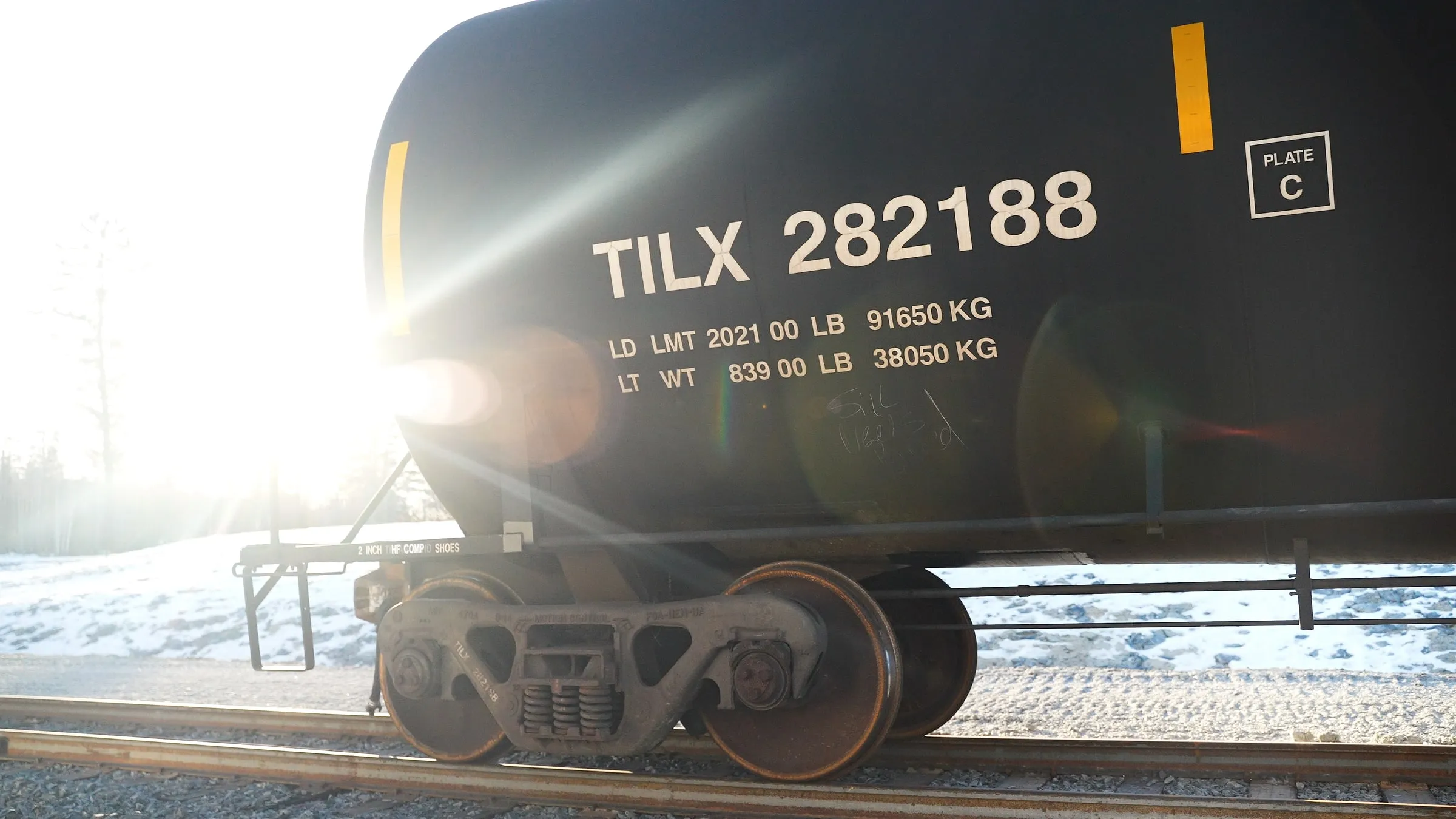
In the Field